
| Nov 13, 2025
Building Resilience: Security Risk Management Strategies for Oil & Gas in an Era of Economic Uncertainty
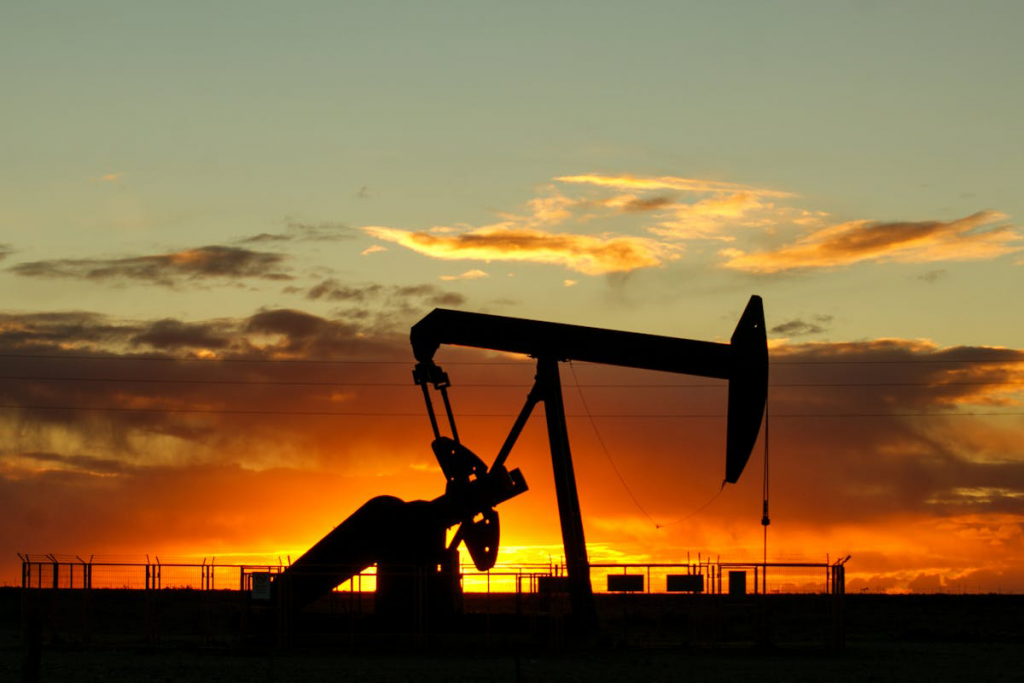
Economic instability and physical security risks in the oil and gas industry are converging in ways that require attention. As global energy companies navigate inflation-driven volatility and implement mass workforce reductions, the sector must grapple with how to protect critical infrastructure when the economic forces reshaping the industry are amplifying security vulnerabilities. In this context, protecting oil and gas infrastructure requires an integrated approach that treats economic pressures as a threat multiplier to physical security.
Recognizing the Inflation-Security Threat Nexus
The connection between inflation and security risks is more direct than most people recognize. Recent academic research demonstrates that geopolitical shocks – particularly the Russia-Ukraine conflict – increased global inflation by approximately two percent, which has had cascading effects on energy prices. The Federal Reserve’s analysis confirms that oil price shocks exert substantial inflationary impact with long lag effects, creating sustained economic pressure across the energy value chain. In other words, the economic volatility the sector faces is not temporary; it reflects a potential structural shift that may very well persist.
These macroeconomic pressures create tangible security consequences. For example:
- Cost-cutting measures reduce security budgets precisely when threats are escalating.
- Critical infrastructure maintenance is deferred, creating physical vulnerabilities at remote facilities.
- Supply chain disruptions delay procurement of surveillance systems, access controls, and monitoring equipment that protect high-value assets.
Workforce Stress and Insider Security Threats
The human dimension of this crisis cannot be overlooked. Between 2014 and 2024, the U.S. oil and gas sector eliminated roughly 252,000 jobs, reshaping employment across the value chain. In 2025 alone, major operators announced further workforce reductions; ConocoPhillips, for instance, announced plans to cut roughly a quarter of its workforce, while other energy majors are implementing similarly aggressive reductions. These figures translate into employees facing job insecurity, financial stress, and diminished morale.
Academic research on occupational stressors in the oil and gas industry reveals a clear pattern: workforce stress negatively impacts safety behavior and operational security compliance. Under economic pressure:
- Employees’ focus shifts to personal and financial survival.
- Insider threat risk increases as disgruntled staff retain access to critical systems and facilities.
- Financial incentives for theft, fraud, or sabotage become more salient when severance, benefits, or future employment are uncertain.
The question, then, is how energy companies balance necessary cost reductions with the imperative to maintain a secure, engaged workforce.
Physical Security Threats: The External Dimension
While insider threats escalate, external physical security risks simultaneously intensify. Reporting on the U.S. grid documented a 71 percent increase in physical attacks between 2021 and 2022, reflecting a clear upward trend in hostile activity against energy infrastructure in that time period. These incidents span a spectrum:
- Opportunistic copper theft that can generate repair costs upward of hundreds of thousands of dollars.
- Vandalism and small-arms fire directed at substations and related assets.
- Coordinated attacks, such as the 2022 North Carolina substation incident that left about 45,000 residents without power for three days, underscoring cascading societal impacts.
Remote oil and gas facilities are particularly attractive targets. Many sites combine:
- Minimal on-site security personnel.
- Unmonitored perimeter access points and inadequate lighting.
- Aging security infrastructure that was not designed for the current threat environment.
A Resilience Framework for the Oil & Gas Sector Security
Addressing these converging threats requires a comprehensive security risk management approach built on three pillars.
Defense-in-depth for critical infrastructure sites
- Implement layered controls spanning outer perimeter, controlled access zones, and critical asset enclosures.
- Upgrade surveillance technologies, including high-resolution video, analytics, and intrusion detection tuned for remote operations.
- Ensure maintenance and lifecycle planning for security systems is protected from across-the-board budget cuts.
Workforce-focused interventions
- Maintain rigorous vetting and continuous background monitoring for employees and contractors with access to sensitive areas.
- Pair this with visible investment in employee support: mental health resources, financial counseling, and transparent communication about restructuring.
- Provide confidential reporting mechanisms so staff can flag concerning behavior or security gaps without fear of retaliation.
Collaborative, intelligence-informed security
- Engage with sector-specific information sharing and analysis centers to stay ahead of evolving tactics targeting energy infrastructure.
- Coordinate with national and regional security agencies on threat intelligence, incident response, and scenario planning.
- Run regular tabletop exercises that integrate operations, security, and executive leadership to stress-test response plans under economic and operational constraints.
Navigating Security Risks for Oil and Gas Companies
Economic instability in the oil and gas industry represents a systemic security challenge. Organizations that integrate physical security hardening with workforce resilience measures – while leveraging structured collaboration across the sector – will be best positioned to navigate this volatile period. The cost of inaction entails compromised infrastructure, operational disruptions, and heightened risk to personnel and surrounding communities. Investment in resilience, by contrast, protects assets, operations, and the national interests that depend on secure, reliable energy infrastructure.
The path forward demands more than strategic planning. Organizations facing budget constraints while managing heightened security demands should evaluate their current security posture against these three pillars, identify gaps in layered defense strategies, and assess workforce preparedness for both physical and insider threats. Those seeking external expertise to conduct comprehensive security assessments, threat modeling, or resilience framework implementation can benefit from specialized guidance that aligns security investments with operational realities during periods of economic volatility.